
Smart money management for Everyone
The Evolving Face of Fraud
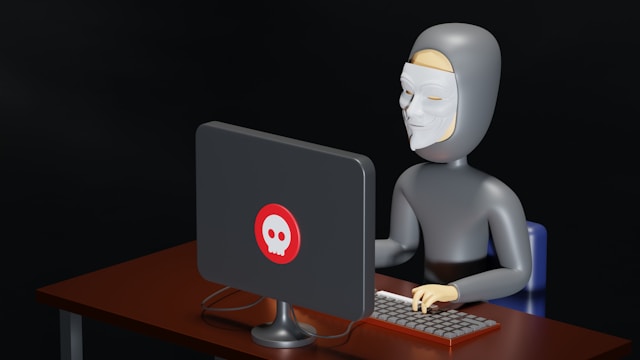
Remember when fraud was simple? A badly spelled email from a "prince" offering you millions? A fake check in the mail? Those were the good old days. Today's scams are personalized, sophisticated, and powered by technology that was science fiction just a few years ago. The scammers have leveled up. It's time we did too.
The old advice—"don't click suspicious links"—isn't enough anymore. The link might be in a text that looks exactly like it's from your bank. The "suspicious email" might use your real name and mention a recent purchase you actually made. The phone call for help might feature the voice of your "grandchild," panicked and pleading, generated by artificial intelligence.
Staying safe now means understanding that fraud has evolved from a clumsy trap into a targeted con job designed to bypass your logic and trigger your emotions.
What You're Up Against Now
1. The AI Voice Clone: "Mom, I'm in Trouble!"
This is one of the most chilling developments. Scammers need just a few seconds of a person's voice from a social media video or voicemail. Using AI, they can clone it and generate new sentences.
How it works: You get a panicked call. "Grandma, it's me! I've been in a car accident/jailed in another city! I need you to send money right now via mobile money—and please don't tell my parents, I'm so embarrassed!" The voice is perfect. The emotion is real. Your protective instincts kick in.
Your Defense: Create a family password. A simple, unexpected word or phrase. If someone calls claiming to be a relative in distress, ask for the password. If they don't have it, it's a scam. Hang up and call the person directly on their known number.
2. The QR Code Quick-Change: The Menu That Steals Your Money
You sit down at a restaurant and see a QR code on the table to view the menu. You scan it, it looks legit, and you order. But a scammer has stuck their own fraudulent QR code sticker over the real one.
How it works: You're directed to a fake payment portal that looks identical to your mobile money or banking app. You enter your PIN to "pay for the meal," but you've just authorized a transfer directly to the scammer.
Your Defense: Always verify the source. If a QR code looks tampered with (e.g., it's a sticker on top of something), don't scan it. When paying, use the established payment method you trust—the physical card machine or the merchant's official till number, not a random number from a scanned page.
3. The "Hi Mom" Text: A New Twist on an Old Grift
A new number texts you: "Hi Mom, I got a new phone, please save this number." It seems harmless. You save it. A day later, "your child" texts again saying they have an emergency and need money urgently.
How it works: The scammer banks on the fact that you won't double-check with your actual child because you think you're already texting them. The casual first message is just to get you to save the fraudulent number.
Your Defense: Always verify through a second channel. If you get a message like this, call your child on the number you already have. Send a message to a family group chat. A simple "Hey, did you get a new phone?" can stop this scam cold.
4. The "Delivery Problem" Phish That Knows Your Name
You get a text: "DHL here. Your package for [Your Name] is held up due to an address issue. Confirm details here: [malicious link]." They know your name. They know you're expecting a package. It feels real.
How it works: The link leads to a flawless copy of the DHL (or other courier) website. You log in, giving the scammers your credentials. Or, it asks for a small "redelivery fee," capturing your mobile money or card details.
Your Defense: Never click the link. Go directly to the official website or app yourself and track your package using the tracking number from the original seller. Official companies will never ask for sensitive info or payments via a random SMS link.
The Golden Rules
The tactics will keep changing, but the principles of defense remain constant.
Slow. Down. Scammers create urgency. "Act now or your account will be closed!" "Send money in the next 10 minutes or I'll be arrested!" Your greatest weapon is to pause. Fraud relies on speed. A genuine problem can almost always wait 10 minutes for you to verify it.
Verify, Don't Trust. A caller ID can be faked. An email address can be spoofed. If your "bank" calls you, hang up and call them back on the official number from their website or the back of your card. If your "friend" messages for money, call them to confirm.
Guilt is a Weapon. Scammers use your good nature against you. They impersonate family, friends, or charities. Remember: it is not rude to protect yourself. It is not unkind to double-check. A real friend or family member will understand your caution.
PINs and Passwords are the Final Frontier. No legitimate company, bank, or government agency will ever, ever ask for your full PIN or password via email, text, or phone. Ever. Anyone who asks for it is a scammer. Full stop.
The face of fraud has evolved from a mysterious stranger to a familiar voice, from a poorly written email to a perfect replica of your bank's login page. But at its core, it's still the same old trick: creating a story so compelling that you hand over your money before logic can catch up.
Your best defense is a healthy dose of skepticism and a few simple habits. Slow down. Verify independently. Protect your PIN like your life depends on it. In this new world, your caution isn't paranoia—it's your smartest financial asset.