
Smart money management for Everyone
Money Paradox: How Holding On Too Tightly Makes You Poorer
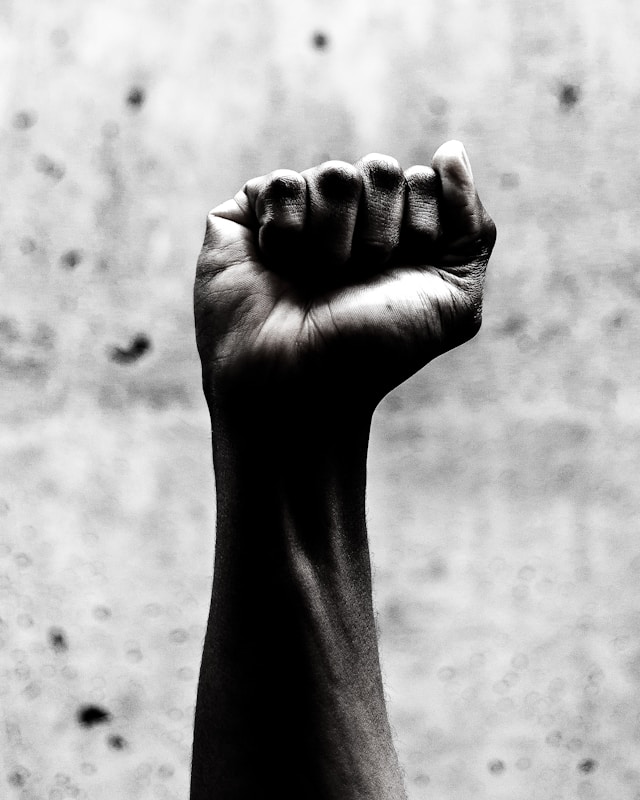
We are taught from a young age to hold onto money. To save it, protect it, and keep it safe. This instinct leads us to clench our financial fists, believing that the tighter our grip, the more secure our future will be. But this creates a paradox. Imagine trying to hold fine sand in your palm. If you squeeze with all your might, the sand is forced through the cracks between your fingers. The more pressure you apply, the less you retain. Your white-knuckled effort to keep it is precisely what makes it disappear.
Money behaves in much the same way. A mindset of scarcity and fear, a refusal to spend, invest, or deploy capital, often leads to stagnation and missed opportunity. The wealth that could have been built through strategic action instead remains inert, its potential energy never converted into kinetic growth. This isn't about reckless spending; it's about understanding that money is a tool that must be used to have value. Hoarding it out of fear can be the very thing that ensures it slowly slips away, eroded by inflation and the rising cost of living.
The Illusion of Safety in a Static State
Keeping large amounts of cash in a low-interest savings account or, worse, physically stored away, feels safe. It’s tangible and seemingly risk-free. This is the financial equivalent of holding that sand. You can see it, so you believe it’s secure.
However, money is not static. Its value is constantly in flux. The silent force of inflation acts like a steady wind, slowly but surely eroding the pile of sand in your hand. Every year, the same amount of cash buys less than it did the year before. The purchasing power of that tightly clutched money is diminishing. The "safe" option of holding cash is, in reality, a guaranteed loss. You are preserving the number on the page while the substance of what it represents drains away. True safety isn't found in immobility; it's found in growth that outpaces the forces of decay.
When Fear Blocks Strategic Flow
A clenched fist cannot receive. This is the second part of the metaphor. When your financial strategy is defined by fear and a refusal to let money move, you block its ability to circulate and return to you in greater quantity.
Consider these common examples:
Refusing to Invest in Education or Skills: The upfront cost of a professional course or certification feels like a loss. But by holding onto that money, you forgo the potential for a higher salary, which could have replenished that sum many times over.
Under-investing in a Business: A small business owner too afraid to spend on marketing, quality equipment, or skilled employees will see their venture stagnate. The competition that is willing to strategically deploy capital will capture the market.
Extreme Frugality that Costs More: Avoiding a necessary car repair to save money in the short term often leads to a more expensive breakdown later. The initial refusal to spend magnifies the ultimate financial pain.
In each case, the intention to conserve resources backfires. The money that was held onto so tightly is ultimately lost in larger amounts due to missed growth or compounded problems. The flow of money was dammed by fear, creating a stagnant pool instead of a flowing river that can generate energy.
Cultivating an Open Hand: The Mindset of Stewardship
The alternative to a clenched fist is not an open, careless hand that lets everything fall through. It is a mindful, active hand, the hand of a steward, not a hoarder. A steward manages resources wisely, knowing that some must be planted as seeds to yield a future harvest.
This means shifting from a question of "How can I keep this?" to "How can this money best serve my long-term goals?"
This approach involves:
Distinguishing Between Cost and Investment: A cost is an expense with no return. An investment is a deployment of capital intended to generate a future benefit. Shifting your spending toward investments is key.
Embracing Calculated Risks: Letting go of a portion of your capital to fund a diversified investment portfolio, a side business, or your own education is a calculated risk. It is the necessary step to outpace inflation and build wealth.
Building a System, Not Just a Stockpile: Instead of focusing only on the total amount saved, focus on building systems that generate income. This could be a rental property, dividend-paying investments, or a scalable online business. These systems create flows of money back into your hand.
This stewardship mindset transforms your relationship with money. You are no longer a fearful guardian of a static pile, but a confident manager of a dynamic resource. You understand that strategic, thoughtful release is the path to multiplication.
The Balance: Discernment, Not Carelessness
The metaphor of the open hand is not an endorsement of frivolous spending. Wisdom and discernment are what separate a steward from a spendthrift. Letting money flow does not mean letting it hemorrhage.
The goal is to move from a posture of rigid scarcity to one of fluid abundance. This means you spend confidently on things that add genuine value, health, quality, and growth, while easily saying no to things that don't align with your goals.
Your financial decisions become intentional, not fearful. You hold money lightly enough to let it work, but wisely enough to direct its purpose.
The tight grip on money is born from a desire for security but often delivers the opposite. It leaves you vulnerable to the slow erosion of inflation and the missed opportunities that define financial growth. By shifting your mindset from that of a hoarder to a steward, you unlock the true potential of your capital.
Money, like sand, is best held with an aware and active hand, one that is open enough to receive, skilled enough to shape, and wise enough to let it go when it's time to plant the seeds for a greater harvest.