
Smart money management for Everyone
Dressing Well, Living Well, Loving Well
My cousin, he’s a good man, works hard. For years, he wore the same five shirts on a rotation. They were fine. Clean, presentable, did the job. Then, for his birthday, his wife bought him a beautifully tailored shirt. The kind that fits you like it was always meant to be on your shoulders. He wore it to a family gathering, and I tell you, the man stood differently. His walk had a new rhythm. His laugh was a bit louder, his handshake firmer. It was the same man, but the world was responding to a slightly upgraded version. That shirt didn’t change his bank account or his job title. It changed his bearing. And that got me thinking. We are all going to wear clothes. We are all going to inhabit these bodies. We are all going to be in relationships. The real question isn't if we'll do these things, but how. We can just go through the motions, or we can engage with a bit of intention and turn the mundane into something magnificent.
This is a conversation about the quiet power of deliberate living. It’s about recognizing that the foundation of a life well-lived isn’t always in the grand, sweeping gestures, but in the quality of our daily commitments. We’re going to look at how the simple principle of "you might as well do it well" can ripple out, touching your confidence, your health, and the people you love most.
The Threads of Confidence
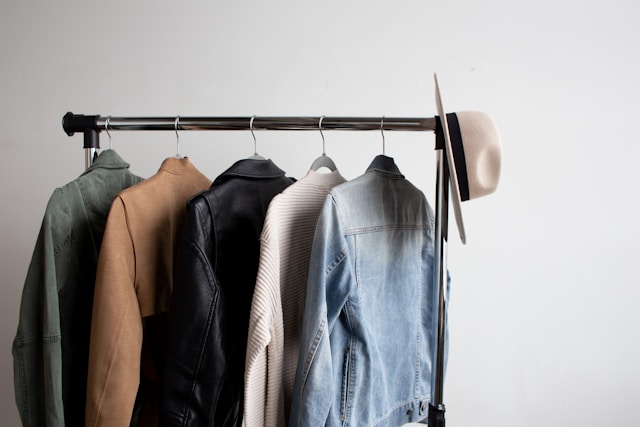
Let’s start with the clothes, since it’s the easiest to see. You get up every morning and you cover your body. It’s a non-negotiable. So why do so many of us treat it as an afterthought? Throwing on whatever is cleanest, or most faded, or least likely to draw attention?
Wearing clothes with a bit of style isn’t about vanity or chasing expensive trends. Goodness, no. It’s about self-respect. It’s a non-verbal conversation you have with the world before you even utter a word. Think about it. When you’re in a well-fitting outfit that you feel good in, your posture straightens. You make eye contact more readily. You’re not fidgeting or trying to hide. You’re occupying your space fully.
Scientists have given this a name: enclothed cognition. It’s a fancy term for a simple idea: the clothes we wear influence our psychological processes. A study had participants wear a white lab coat. One group was told it was a doctor’s coat, the other a painter’s coat. Those who believed they were wearing a doctor’s coat showed heightened attention and carefulness. The symbolism of the clothing altered their mental state.
Now, you don’t need a lab coat. You just need intention. It could be:
A pair of shoes you keep properly polished.
A brightly coloured scarf that adds a splash of joy to a simple dress.
A well-maintained traditional outfit for a Friday at the office.
The goal isn’t to break your budget. It’s to be deliberate. That one sharp outfit you feel great in is worth more than a closet full of "just fine." It’s an investment in your own presence. You’re going to get dressed anyway. You might as well feel like a king or queen while you’re at it. The confidence you build there doesn't stay in front of the mirror; it walks out the door with you.
The Temple You Inhabit
Alright, let’s move from what’s on the body to the body itself. This one can be a touchy subject, I know. We’re not all meant to be champion athletes. Life is busy, and the idea of spending hours in a gym can feel like a luxury or a punishment.
But hold on. Let’s reframe this completely. The statement isn’t "you must become a bodybuilder." It’s "you're lucky enough to have a body that works, might as well build it into something spectacular."
"Spectacular" here doesn’t mean chiselled abs. It means reliable. It means strong. It means a body that serves you, instead of you constantly serving its aches and limitations. Think about an old car. If you never change the oil, never check the tires, just run it into the ground, it will eventually sputter and stop. But if you give it even basic, consistent maintenance, it will carry you faithfully for years.
Your body is the same. It’s the only vehicle you get for this entire journey. You’re going to have it for your entire life. You might as well ensure it can:
Carry the groceries up the stairs without gasping for air.
Play with your children or nieces and nephews in the park without getting tired after five minutes.
Stand tall at a friend’s wedding and dance until the music stops.
The science is overwhelming on this. The Harvard Alumni Study, which followed thousands of people for decades, found a direct, undeniable link between physical activity and a lower risk of chronic disease. This isn't just about living longer; it's about living better.
Every time you choose to walk instead of drive, to take the stairs, to spend 20 minutes doing bodyweight exercises in your living room, you are making a deposit into your health account. You are building a body that is not just functional, but resilient. You’re honoring the incredible luck of having a working, breathing, capable physical form. Neglecting it isn't just a shame; it's a disservice to your own future.
The Daily Labour of Love
This brings us to the most important application of this principle: the people we love. You’re going to have a wife, a husband, a girlfriend, a partner. It’s one of life’s greatest adventures. But so often, after the initial spark, we slip into autopilot. We stop seeing the person in front of us and start seeing a fixture in our lives. We take them for granted.
Being the best partner you can be isn’t about grand, cinematic gestures, though those are nice sometimes. It’s about the daily, consistent, small deposits of care and attention. It’s the arithmetic of affection, and the sum total is a relationship that can withstand any storm.
A friend's marriage was going through a rough patch. Nothing major, just a constant, low-grade friction. They were like two comfortable but separate islands. He decided to apply this mindset. He realized he was going to be married to her regardless, so he might as well be present in that marriage.
His changes weren’t dramatic. He started:
Putting his phone away completely when she was telling him about her day.
Making the cup of tea she liked without being asked.
Noticing when she’d done her hair differently and actually commenting on it.
Guess what? Over a few months, the atmosphere in their home shifted. The friction eased. The connection returned. It wasn’t magic. It was intention. Renowned relationship researcher Dr. John Gottman found that happy couples maintain a ratio of 5 positive interactions for every 1 negative one. These are not declarations of love; they are "tiny bids for connection", a smile, a touch, a word of appreciation. You’re going to share a life with this person. You might as well be the source of their joy, not their frustration.
One Good Choice Leads to Another
Here’s the beautiful secret no one tells you: these areas of your life aren’t separate silos. They feed into each other. They create a powerful, positive feedback loop.
When you start dressing with more intention, you feel more confident. That confidence makes you more likely to hold your head high and take that evening walk, improving your physical health. The energy and self-esteem from feeling healthy and strong make you a more patient, more engaged partner. And coming home to a loving, supportive relationship reduces your stress, which makes it easier to make good choices for yourself, including what you wear and how you care for your body.
It’s a virtuous cycle. It starts with one conscious decision. You don’t have to overhaul your entire life tomorrow. Just pick one thread. Maybe this week, it’s paying attention to how your clothes make you feel. Next month, it’s adding a ten-minute walk to your day. The week after, it’s making a point to listen, truly listen, to your partner for fifteen uninterrupted minutes.
You May Ask
Isn't focusing on style just superficial?
It can be, if that's all there is. But when used with intention, it's a tool. It’s the outer reflection of an inner decision to show up fully in the world. The confidence it generates is very real and has tangible effects on how you are perceived and how you perform.
I don't have time to exercise, with work and family. How can I start?
Forget the idea of needing an hour at the gym. The key is consistency, not duration. Park your car at the far end of the lot. Do ten squats while you're waiting for the kettle to boil. Take a fifteen-minute walk during your lunch break. It all adds up. The goal is to move more, not to train for the Olympics.
How can I be a better partner when I feel like I'm the only one trying?
This is a tough one. You can't control another person's actions, only your own. Start by modelling the behaviour you want to see. Your consistent, small acts of kindness and attention can, over time, change the dynamic of the relationship. It’s not a guarantee, but it’s the most powerful lever you have.
This sounds expensive. Do I need a lot of money to live like this?
Absolutely not. Style isn't about cost; it's about fit and care. A simple, well-fitting shirt from a local market is infinitely more stylish than an expensive, ill-fitting one. Exercise is free. And being a good partner costs nothing but your attention and intention.
What if I fail at maintaining this new mindset?
You will. And that's perfectly okay. This isn't about perfection; it's about direction. Some days you'll wear the old, comfortable t-shirt. Some days you'll skip the walk. Some days you'll be snippy with your partner. The point is to gently guide yourself back, without self-criticism. Progress, not perfection, is the goal.
The Final Stitch
So here we are. You’re going to wake up tomorrow and live a day of your life. You’ll put on clothes. You’ll use your body. You’ll interact with the people you love. These are the raw materials you’ve been given.
The choice, then, is not in the what, but in the how. Will you simply go through the motions, or will you engage? Will you see getting dressed as a chore, or as an opportunity to express self-respect? Will you see your body as a burden to maintain, or as a spectacular machine to be honed? Will you see your relationship as a static fact, or as a living, breathing entity that thrives on your daily, deliberate care?
The grand masterpiece of your life isn’t painted with one giant brushstroke. It’s woven, thread by thread, repetition by repetition, small choice by small choice. You are the artist, and the canvas is your ordinary, extraordinary day.
You might as well make it a masterpiece.